
Use a priority list, not a minute-by-minute script
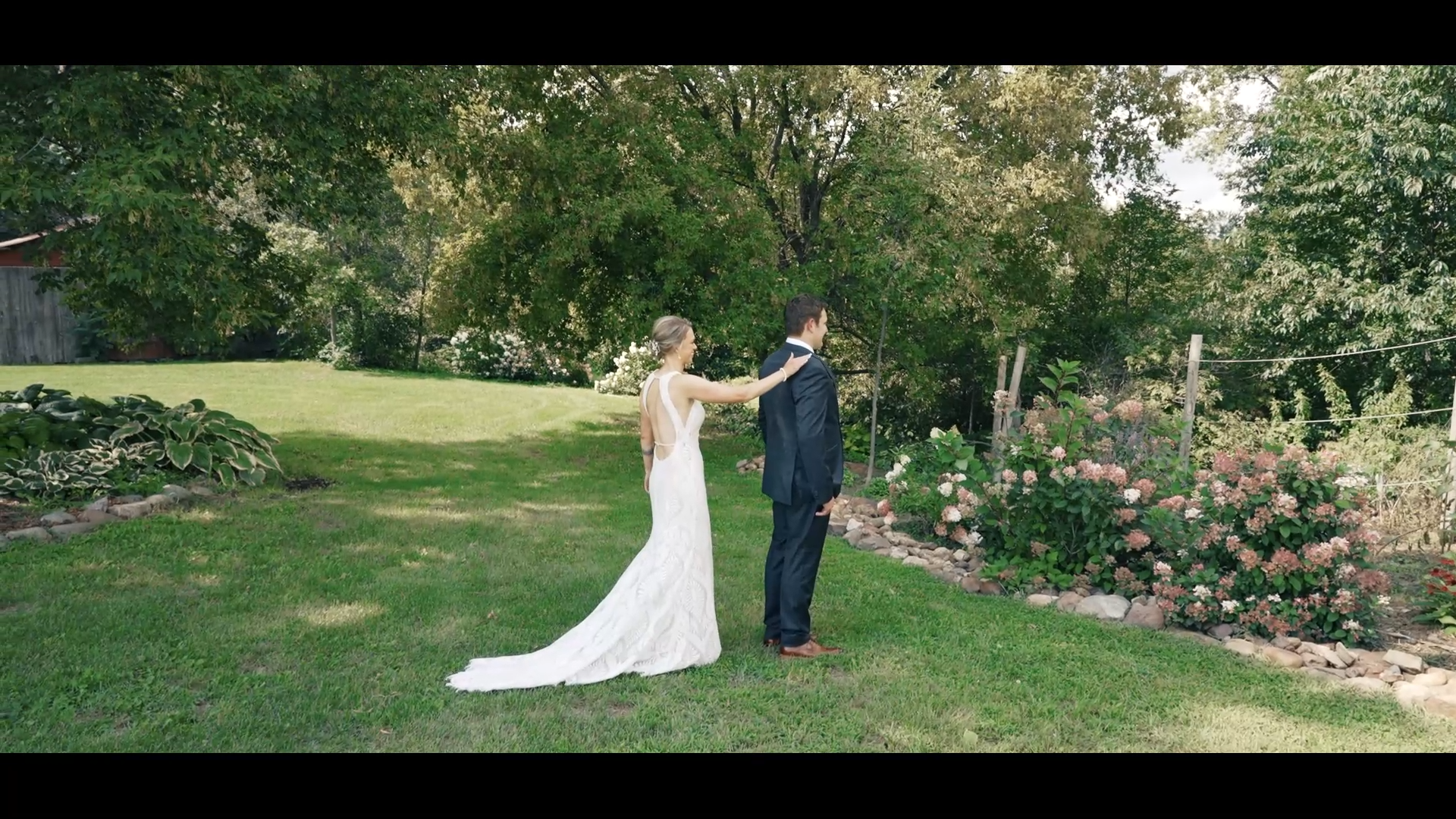
A useful wedding film shot list tells the team what cannot be missed. It does not prescribe every camera angle. Start with the people and traditions that are central to your celebration: a grandparent attending, a family heirloom, a private first look, personal vows or a planned performance. Tell the filmmaker why each matters. That context helps them recognize a meaningful moment when it happens differently from the timeline.
Keep the list short enough to use on the day. A page of priorities can guide coverage; dozens of reference images can compete with the real event. If there is a surprise, share it with the filmmaker and the coordinator in advance, then decide who will give the cue. This protects both the surprise and the chance to record it.
Identify the words you want to keep
Film planning is also audio planning. Vows, readings, speeches and letters may need different microphone or recording arrangements. Tell the team which words you hope to hear in the final film and whether they happen in an outdoor ceremony, quiet room or busy reception. The filming team can coordinate with the DJ or sound provider before the event.
If a family member will speak without a microphone, mention that early. The room may be able to hear a voice that a camera cannot record clearly. Ask which longer recordings and edits are included in your specific proposal; a highlight film and a complete ceremony edit serve different purposes and should not be assumed interchangeable.
Share the movement between locations
A first look, ceremony and reception at separate sites affect travel time and camera coverage. Send accurate addresses, parking and access details, and tell the team when a space becomes available. For Arizona outdoor segments, note the intended shade and any indoor alternative. The filmmaker and photographer can then discuss where they need to be without turning your event into a production schedule.
Build in breathing room for natural reactions. If every minute is assigned, a meaningful conversation or a spontaneous embrace may disappear behind the next formal setup. Work with your coordinator on a timeline that protects the essential moments and still leaves space for the day to unfold.
Finish with a clear conversation
Bring your short priority list, vendor contacts and draft schedule to the film consultation. Include any cultural traditions and any people who do not want to appear on camera. Clarify filming boundaries with the venue and officiant, especially during a ceremony.
Our wedding film planning begins with the story you want to remember, then matches coverage and audio to that story. A thoughtful list gives the team direction while leaving your celebration its own rhythm.
Planning something of your own?
Explore Wedding films ↗